
Emergency HVAC Repair: Checklist for Repair During Emergency
December 16, 2025
When your air conditioning
or heating system fails unexpectedly, it can disrupt daily life and create uncomfortable or even unsafe conditions. Having a clear plan for emergency HVAC repair in Apopka, FL, ensures homeowners, property managers, and business owners can respond quickly. Recognizing early warning signs, knowing who to call, and understanding safety procedures can minimize downtime and prevent further damage to your system.
Immediate Steps to Take During an HVAC Emergency
Before calling a professional, taking specific actions can safeguard your property and make repair efforts more efficient.
Turn Off the System: Shut off your HVAC unit at the thermostat and breaker to prevent further damage or electrical hazards. Check for Obvious Issues: Look for water leaks, blown fuses, unusual noises, or blocked vents, and document any findings. Ensure Safety First: If you smell burning, see sparks, or detect gas, evacuate immediately and contact emergency services. Keep the Area Clear: Make sure the technician has unobstructed access to your HVAC unit for faster diagnosis and repair.
By following these initial steps, you set the stage for a smooth HVAC repair process in Apopka, FL.
Contacting an Expert for Emergency Support
When your system fails without warning, contacting an expert for emergency HVAC repair in Apopka, FL, is the safest and fastest way to restore comfort to your property. A trained technician can quickly diagnose what caused the breakdown, prevent further damage, and ensure your HVAC unit is repaired correctly the first time. Attempting DIY fixes during an emergency can worsen the issue or create costly safety hazards. By reaching out to a trusted local specialist, homeowners and property managers get reliable, immediate support backed by professional tools, experience, and proven repair strategies tailored to Apopka’s demanding climate.
When calling for assistance, provide the following information:
Type of HVAC system (central AC, heat pump, furnace). Symptoms observed (strange noises, uneven cooling, water leaks). Duration of the issue. Any recent maintenance or repairs.
Providing this information helps technicians prepare and bring the necessary tools and parts for a quicker resolution.
Essential Tools and Supplies to Have on Hand
Being prepared with basic tools and supplies can help manage minor issues or maintain safety until professional help arrives:
Flashlight for visibility in dark utility areas. Thermometer to check indoor temperatures. Replacement filters to prevent further strain on the system. Basic cleaning supplies to remove debris from vents or units.
Having these items ready supports both homeowners and property managers in staying proactive during an HVAC repair in Apopka, FL.
Preventive Measures to Reduce HVAC Emergencies
While emergencies can happen unexpectedly, routine maintenance can significantly lower the risk of major breakdowns:
Schedule Regular Inspections: Seasonal check-ups ensure early detection of worn parts or system inefficiencies. Change Filters Frequently: Clean filters improve airflow and reduce strain on the HVAC system. Clear Debris Around Units: Ensure outdoor units are free from leaves, branches, and other obstructions. Monitor Energy Bills: Sudden spikes may indicate system inefficiency or early signs of mechanical issues.
These steps help prolong system life and make emergency HVAC repair in Apopka, FL, less likely.
When to Call a Professional
Even minor HVAC concerns can quickly grow into major interruptions if they aren’t handled properly. Knowing when to stop troubleshooting and call a licensed technician is essential for protecting your home, your safety, and your system. If you experience sudden performance issues, such as:
Unusual noises such as grinding, banging, or squealing. Inconsistent temperatures or poor airflow. Water leaks or ice buildup on your unit. Electrical issues or frequent breaker trips.
If you’ve performed basic checks—such as replacing the air filter, resetting the thermostat, or verifying power—and the issue continues, contact an expert right away. Whenever you feel unsure about the severity of a problem, it’s always safer and more effective to rely on a professional. Prompt intervention prevents costly replacements and ensures your residential HVAC repair in Apopka, FL, is handled safely and efficiently.
Choosing the Right Emergency HVAC Technician
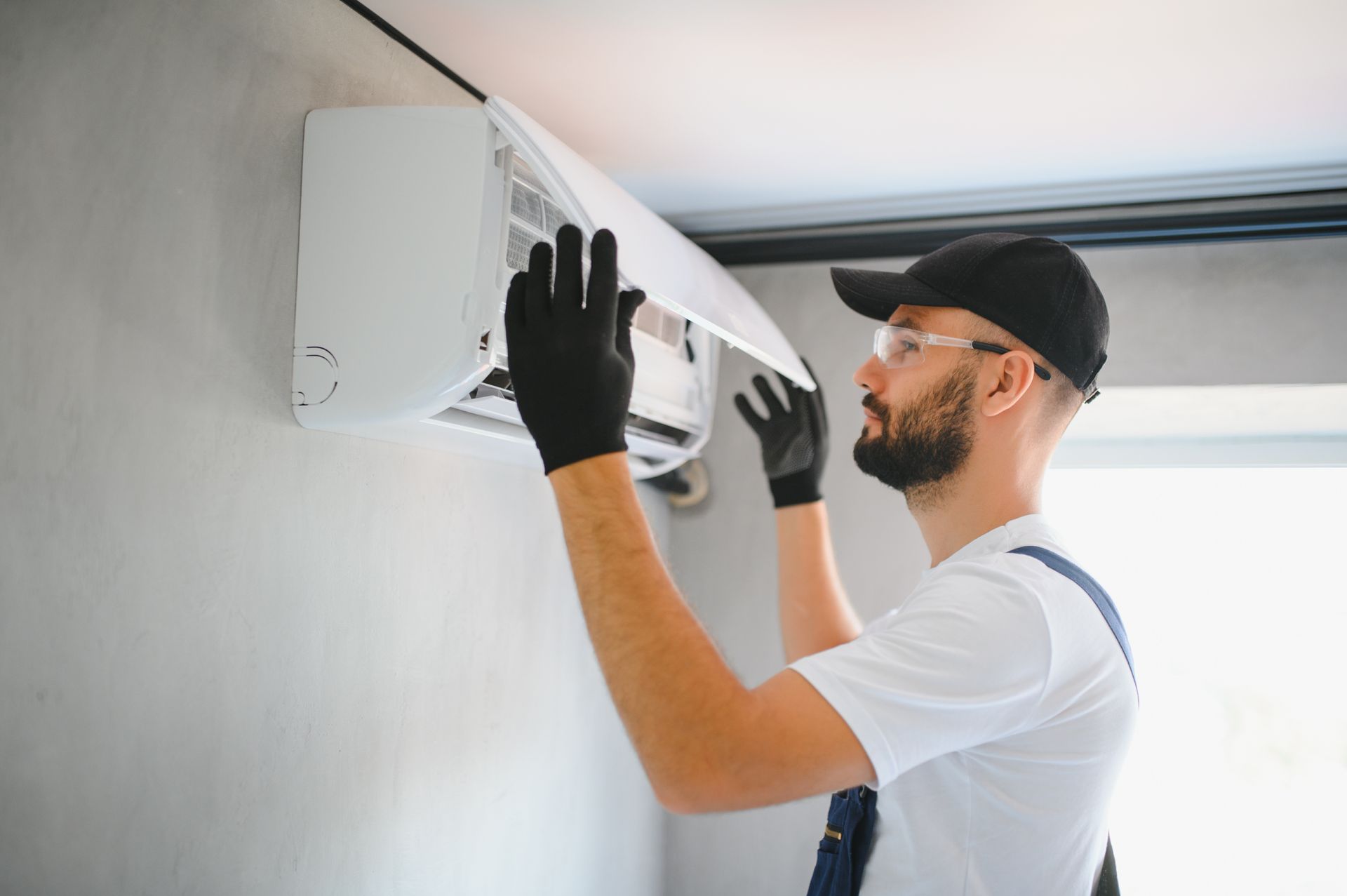
Not all repair services are equipped for urgent HVAC situations. When selecting a technician, look for:
Certifications: Trained, licensed, and insured professionals. Experience: Technicians familiar with your HVAC system make faster, more accurate repairs. Availability: 24/7 response for emergencies. Transparent Pricing: Clear estimates and no hidden fees.
Certified AC Services meets all these criteria, making it a trusted choice for emergency HVAC repair
in Apopka, FL.
Preparing a Quick-Reference Emergency HVAC Checklist
Creating a checklist ensures you’re ready for future emergencies. Include:
Emergency contact numbers for Certified AC Services. Location of circuit breakers and shutoff valves. System model and serial numbers. Recent maintenance records. Observed symptoms and duration.
Having this checklist reduces stress during an unexpected HVAC failure and speeds up residential HVAC repair in Apopka, FL.
Call Certified AC Services for Fast HVAC Repair in Apopka, FL
Don’t let an HVAC emergency disrupt your home or business. Certified AC Services provides prompt, professional emergency HVAC repair in Apopka, FL, helping you restore comfort quickly. Whether it’s a central AC unit, heat pump, or furnace, our expert technicians handle every repair efficiently, minimizing downtime and stress.
Contact
Certified AC Services today at (689) 205-9140
to schedule immediate assistance or prepare for any future HVAC emergencies.
![Outdoor AC condenser units stacked on a rack under hot sun, where HVAC system repair often begins]](https://irp.cdn-website.com/7a6f02ac/dms3rep/multi/opt/AdobeStock_631123363-1920w.jpeg)
Florida heat wears out HVAC systems fast. Get HVAC system repair in Apopka, FL, from Certified AC Services' local climate experts. Request a free quote today.
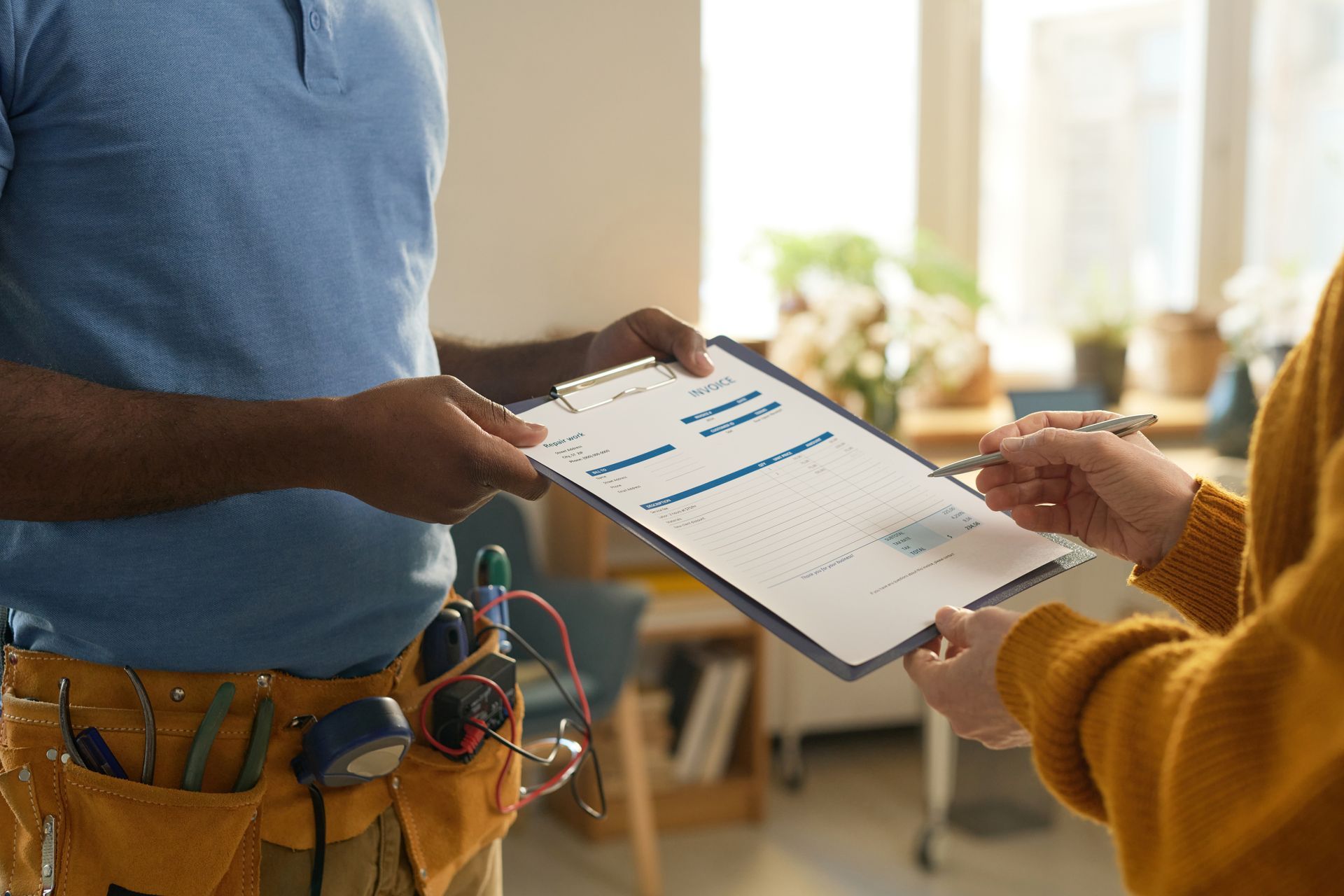
Spot HVAC repair problems early with our guide for Apopka, FL, homeowners. Certified AC Services offers 30+ years of expert repairs. Request a free quote now.
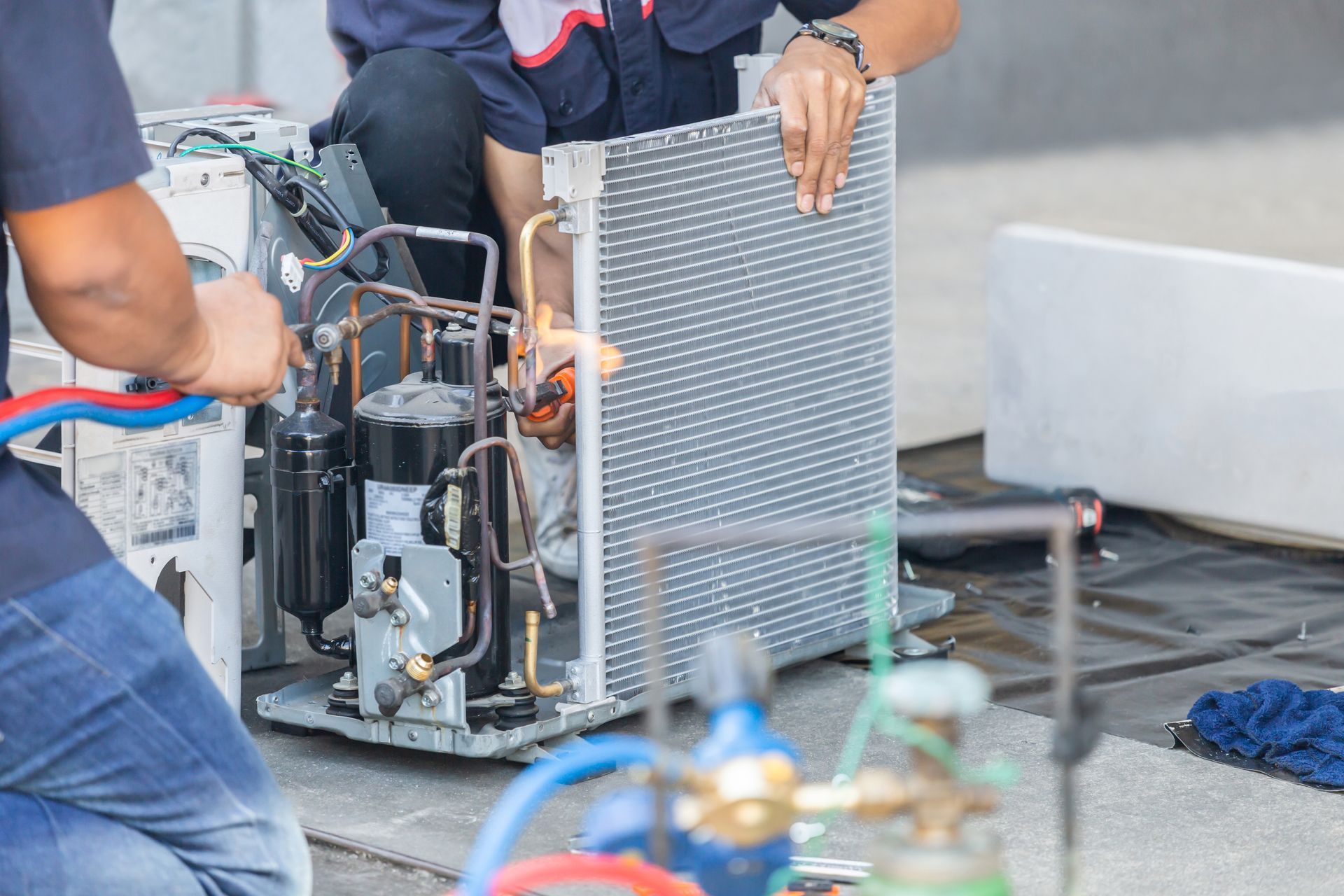
Not sure whether HVAC repair or replacement is right for your Apopka, FL, home? Certified AC Services offers honest assessments. Request a free quote today.
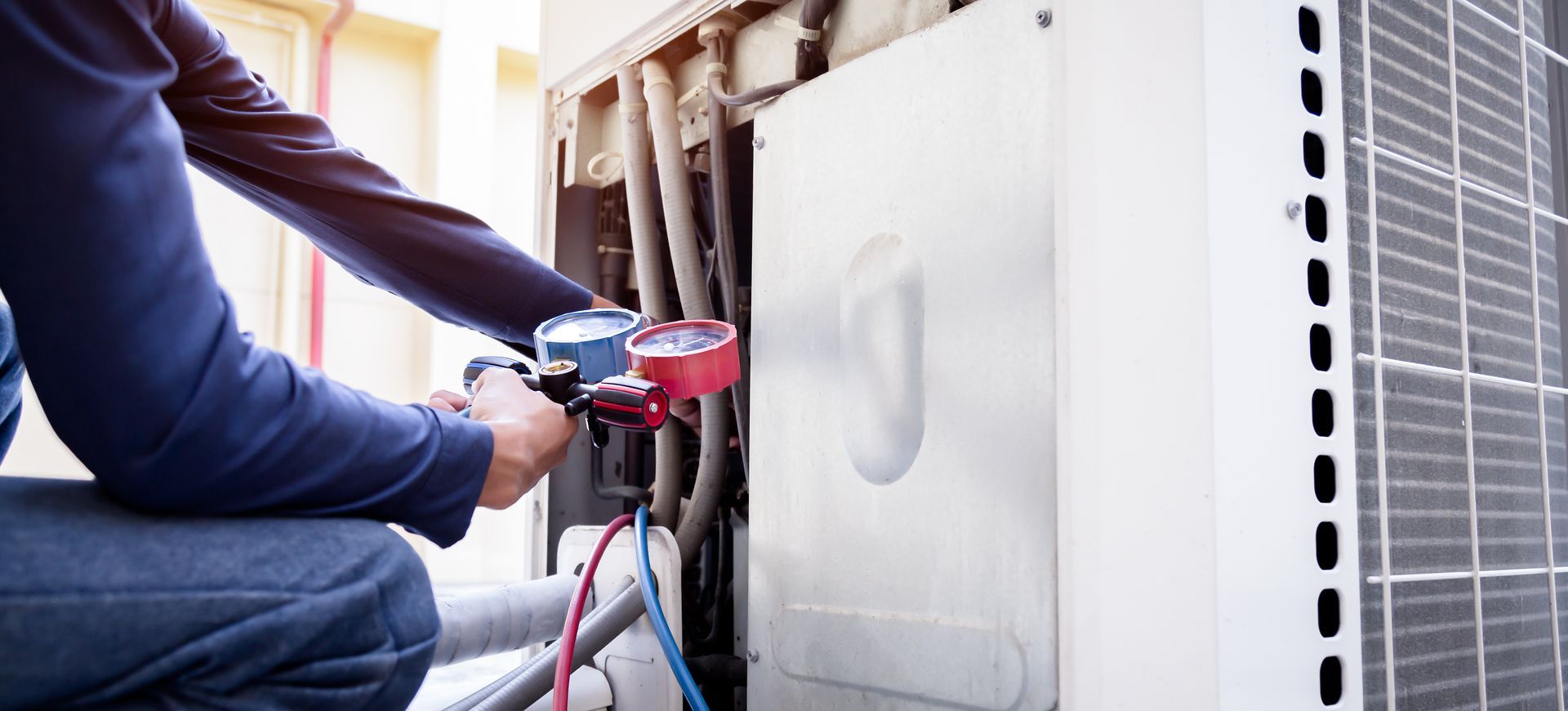
Get the right size HVAC installation for your Apopka, FL home. Certified AC Services offers expert load calculations. Visit our website today.
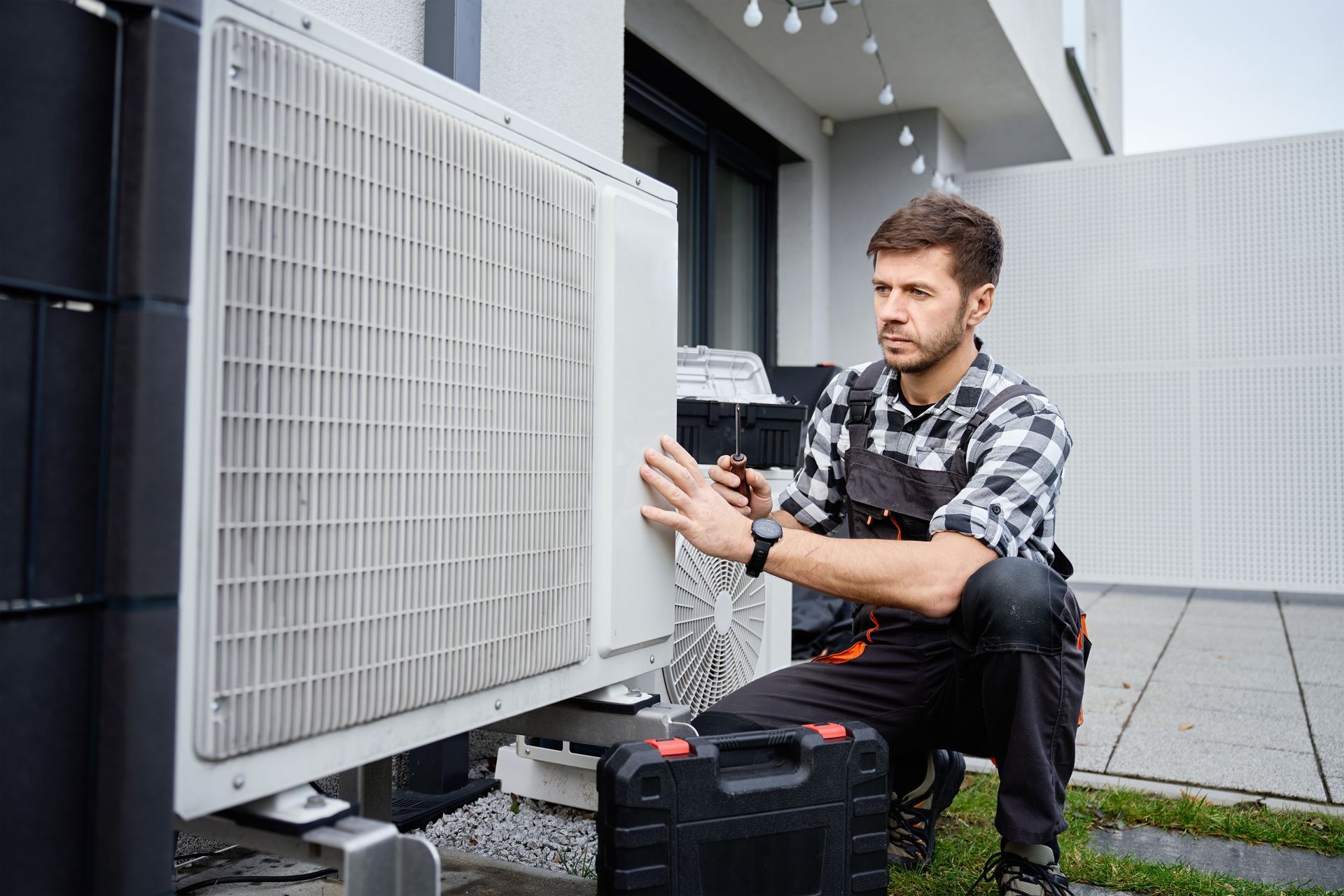
Residential HVAC repair services in Apopka, FL by Certified AC Services. Improve efficiency today. Call (689) 205-9140 now.
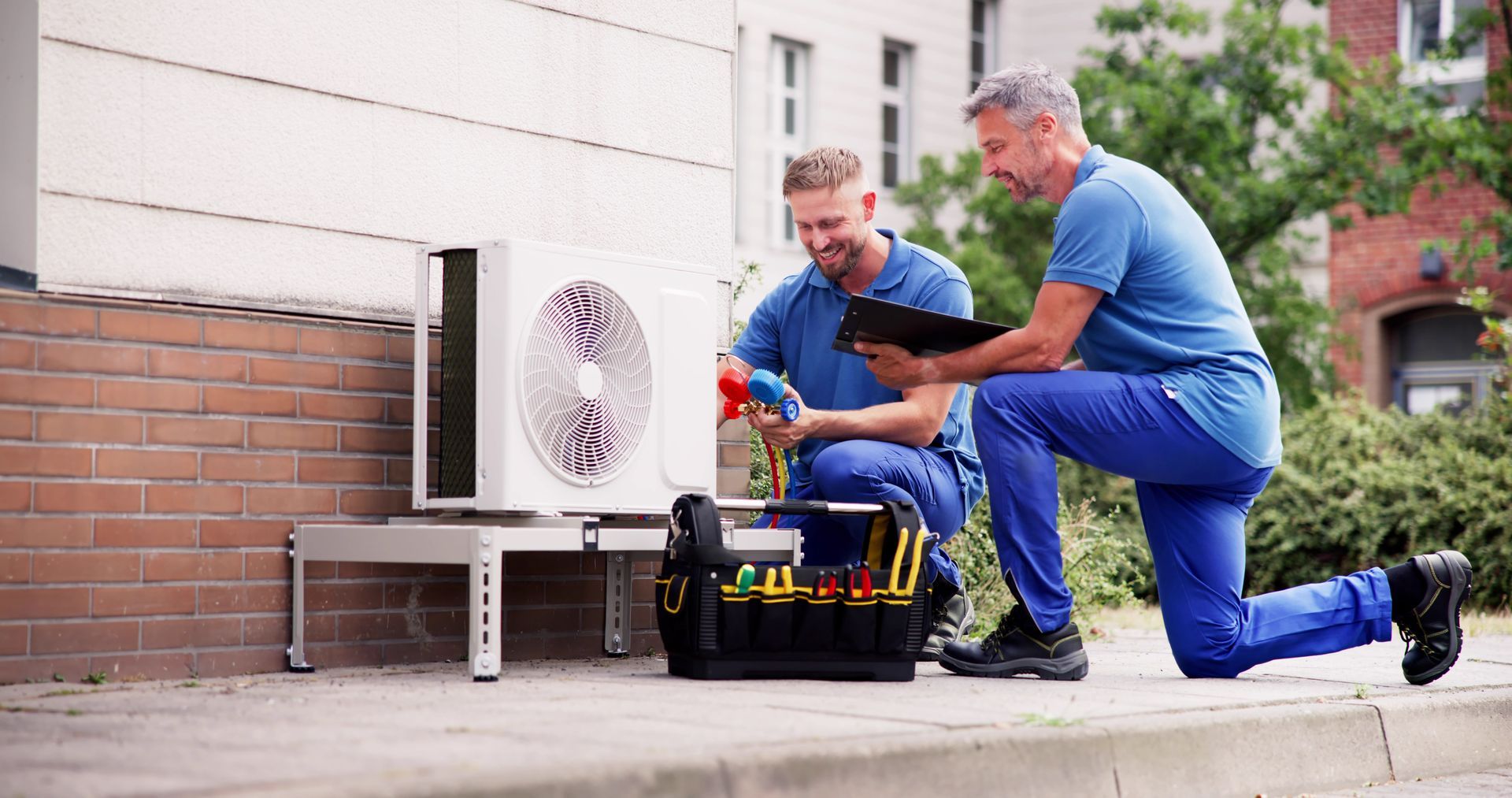
Learn how smart technology improves HVAC system repair in Apopka, FL, with faster diagnostics. Call Certified AC Services at (689) 205-9140.
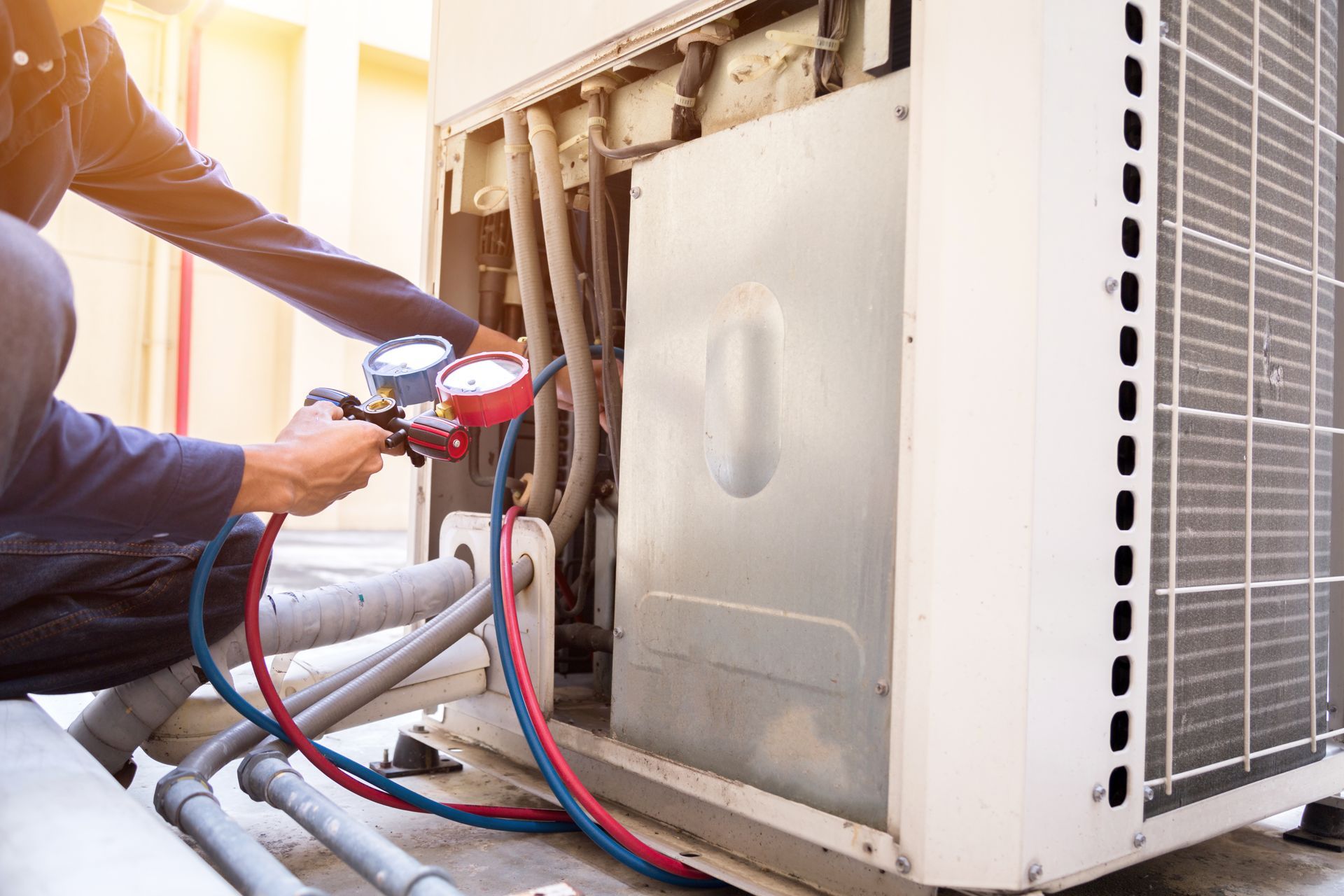
Prepare your home for seasonal changes with expert residential HVAC repair in Apopka, FL. Learn tips from Certified AC Services; schedule your tune-up today!
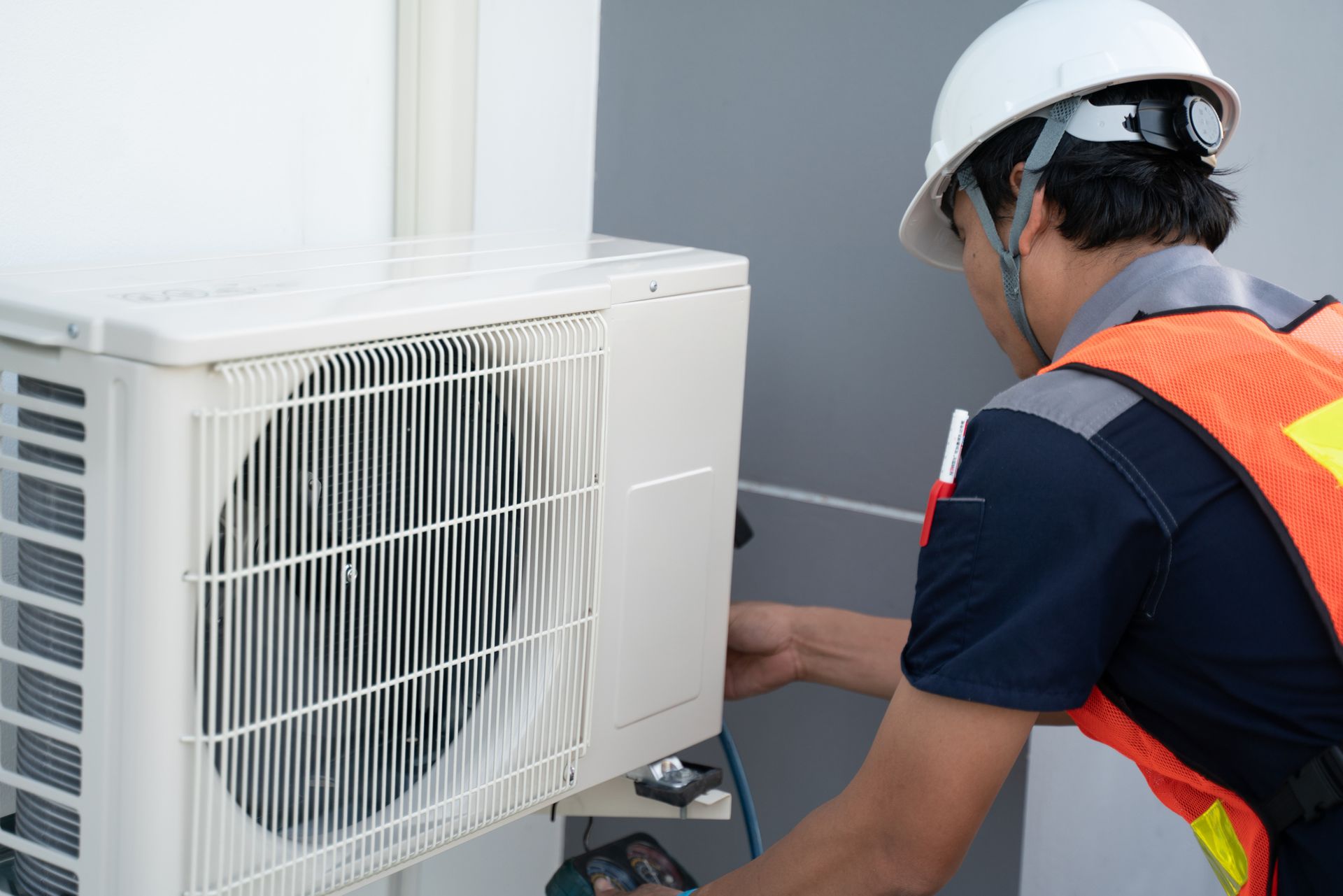
Certified AC Services offers HVAC repair service in Apopka, FL. Call (689) 205-9140 for expert residential HVAC repair in Apopka, FL.
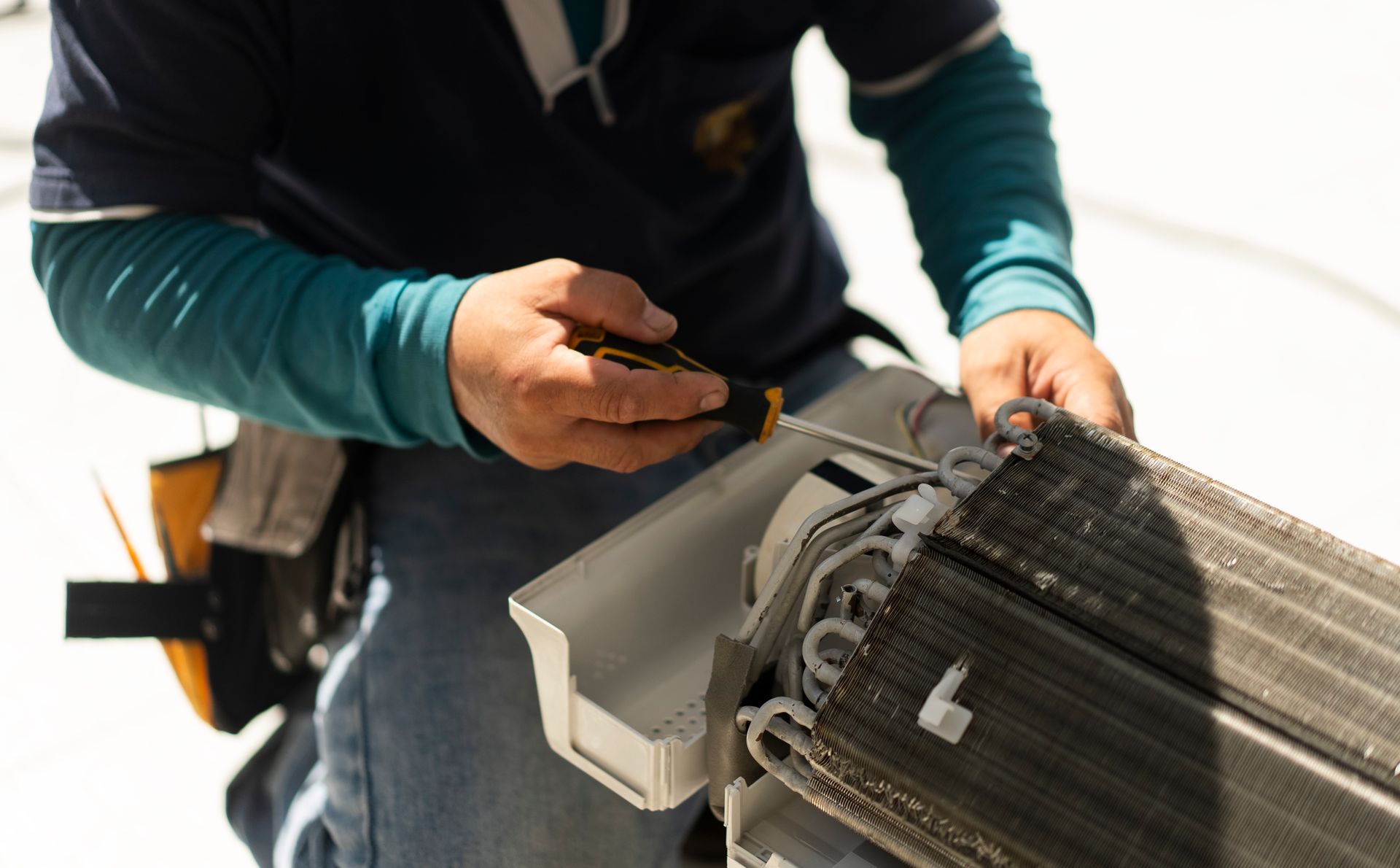
Learn why timely HVAC repair service in Apopka, FL, is essential. Call Certified AC Services at (689) 205-9140 for expert HVAC care today.
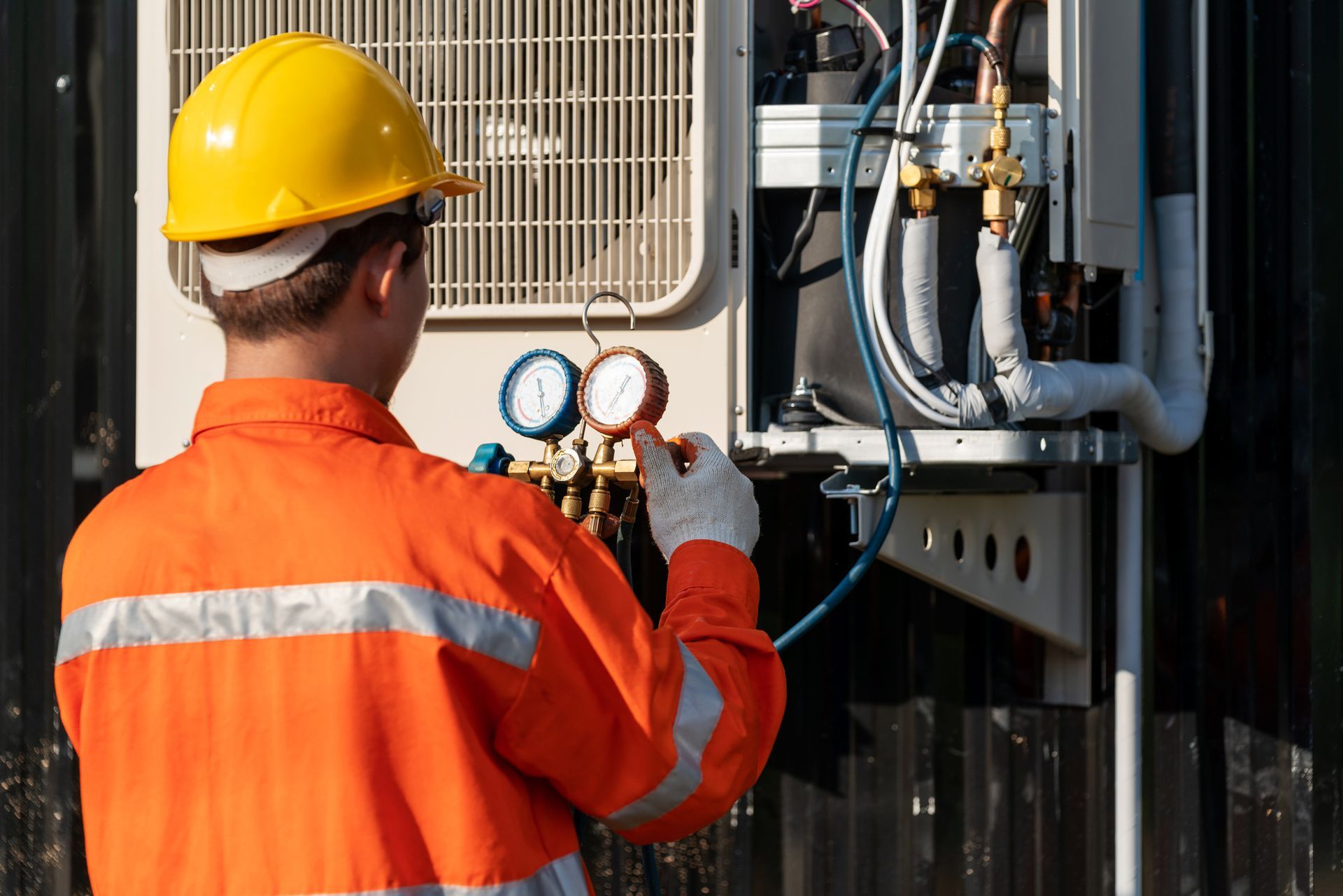
Certified AC Services offers expert HVAC repair service in Apopka, FL. Call now for fast, reliable repairs at (689) 205-9140. Stay cool with us!




