
How Florida's Heat and Humidity Affect HVAC System Repair Needs in Apopka
Florida's climate puts HVAC systems under stress that residents in cooler states rarely face. Central Florida's heat and humidity ease up for only a few weeks each year, meaning your system runs almost constantly. Without the right care, HVAC system repair needs can arrive sooner than expected. Understanding how the local climate affects your equipment helps you stay ahead of breakdowns and get more years out of your system.
Why Florida's Climate Is Harder on HVAC Systems
Apopka sits in Orange County and experiences a subtropical climate with summer temperatures regularly pushing into the low to mid-90s. Humidity frequently climbs above 80 percent from June through September, forcing your system to work harder and longer than systems in drier or cooler climates.
Most manufacturers calculate expected system lifespan based on national averages, assuming moderate annual runtime. In Apopka, a typical residential system may run 10 to 12 months per year rather than the five or six months a northern system logs. That extra runtime wears out components ahead of schedule and increases the likelihood that HVAC system repair will be needed before the manufacturer's estimated lifespan is reached.
What Parts Wear Out Fastest in Florida's Heat?
Certain components take the hardest hit when a system runs year-round in high humidity.
Compressor Strain
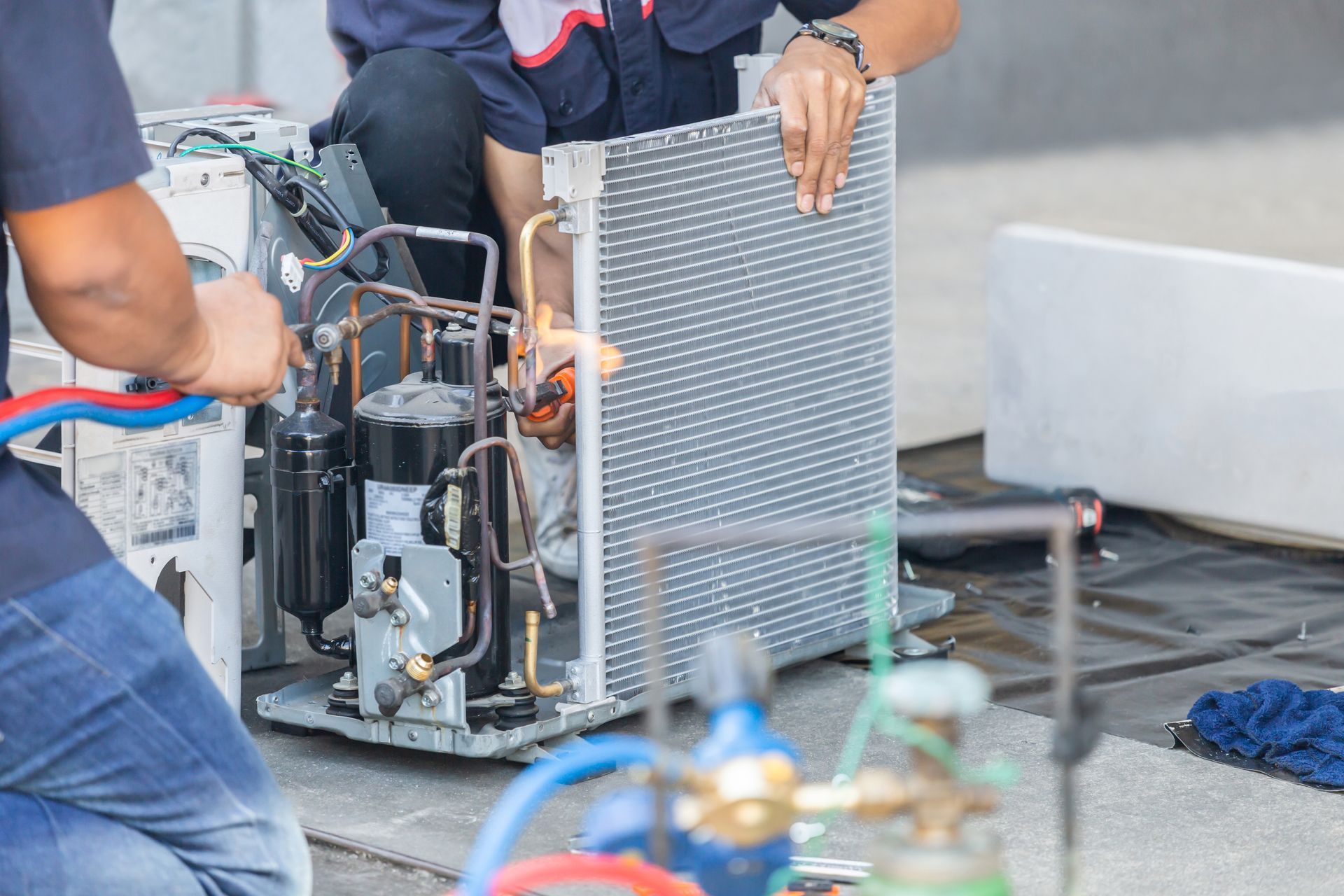
The compressor is often the most expensive component in a central air system. In Apopka's heat, it cycles on and off far more frequently than in a temperate climate, creating heat buildup that shortens its life and can lead to premature failure.
Coil Corrosion and Mold Growth
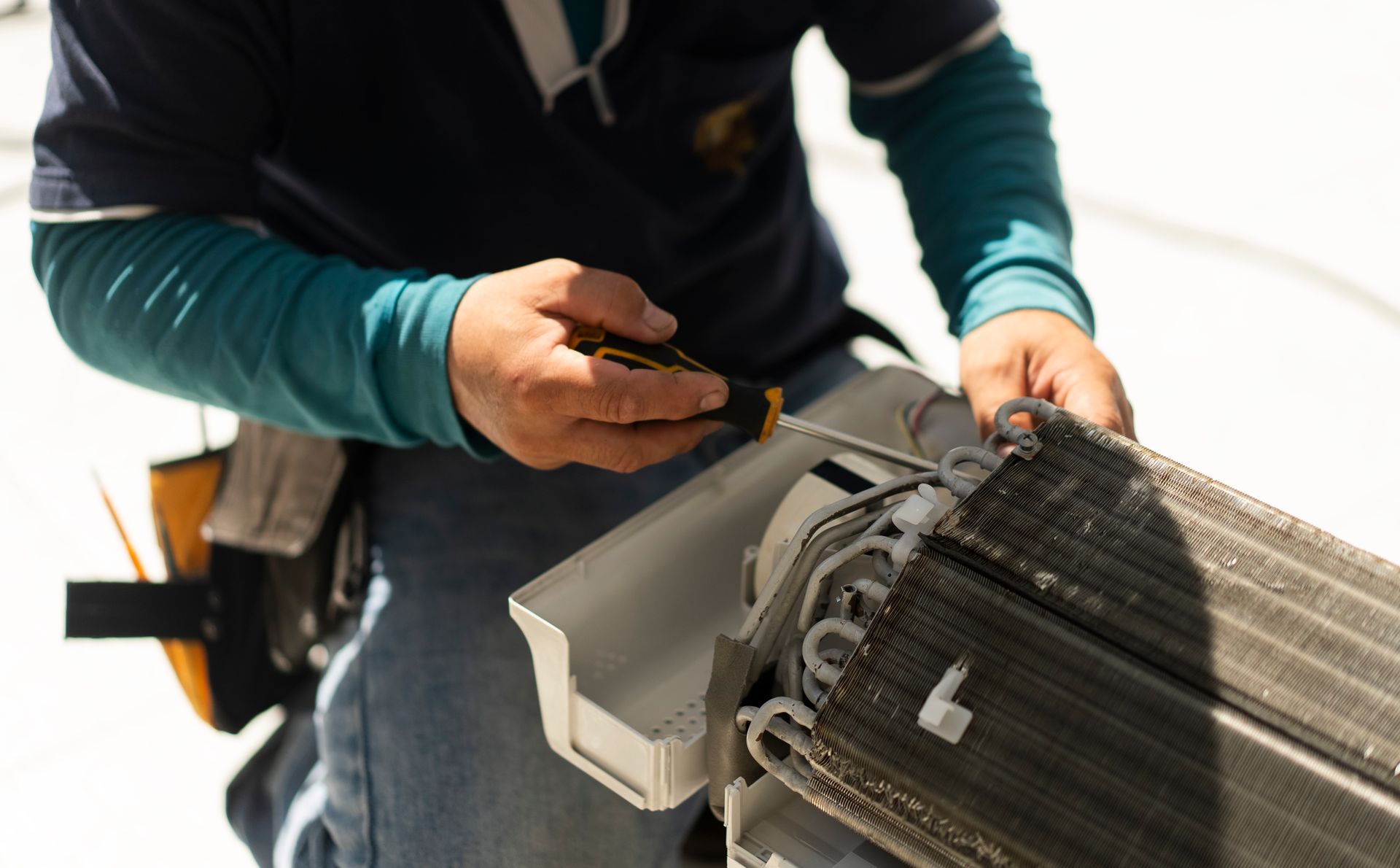
High humidity creates ideal conditions for mold and mildew to grow on evaporator coils, reducing heat transfer efficiency. Moisture corrosion can also eat through coil material, leading to refrigerant leaks that require HVAC system repair to restore cooling performance.
Drain Line Clogs
Florida's humid air produces a large volume of condensate. In Apopka's climate, drain lines can clog with algae and debris more often than in drier regions, causing water damage, triggering safety shutoffs, and pushing the system to work harder.
Electrical Component Fatigue
Heat accelerates the breakdown of wiring insulation, capacitors, and contactors. Capacitors help motors start and run, and in a system operating nearly year-round, they may fail well before their rated lifespan. Addressing electrical issues promptly prevents minor problems from escalating into full system failures.
How Often Should Apopka Residents Schedule Maintenance?
Most Apopka residents benefit from professional maintenance at least twice per year. A spring tune-up prepares your system for peak summer workload. A fall checkup catches wear that built up during the heavy cooling season. Because systems here run far longer annually than the national average, twice-yearly service is more appropriate than the once-a-year schedule suited to cooler climates.
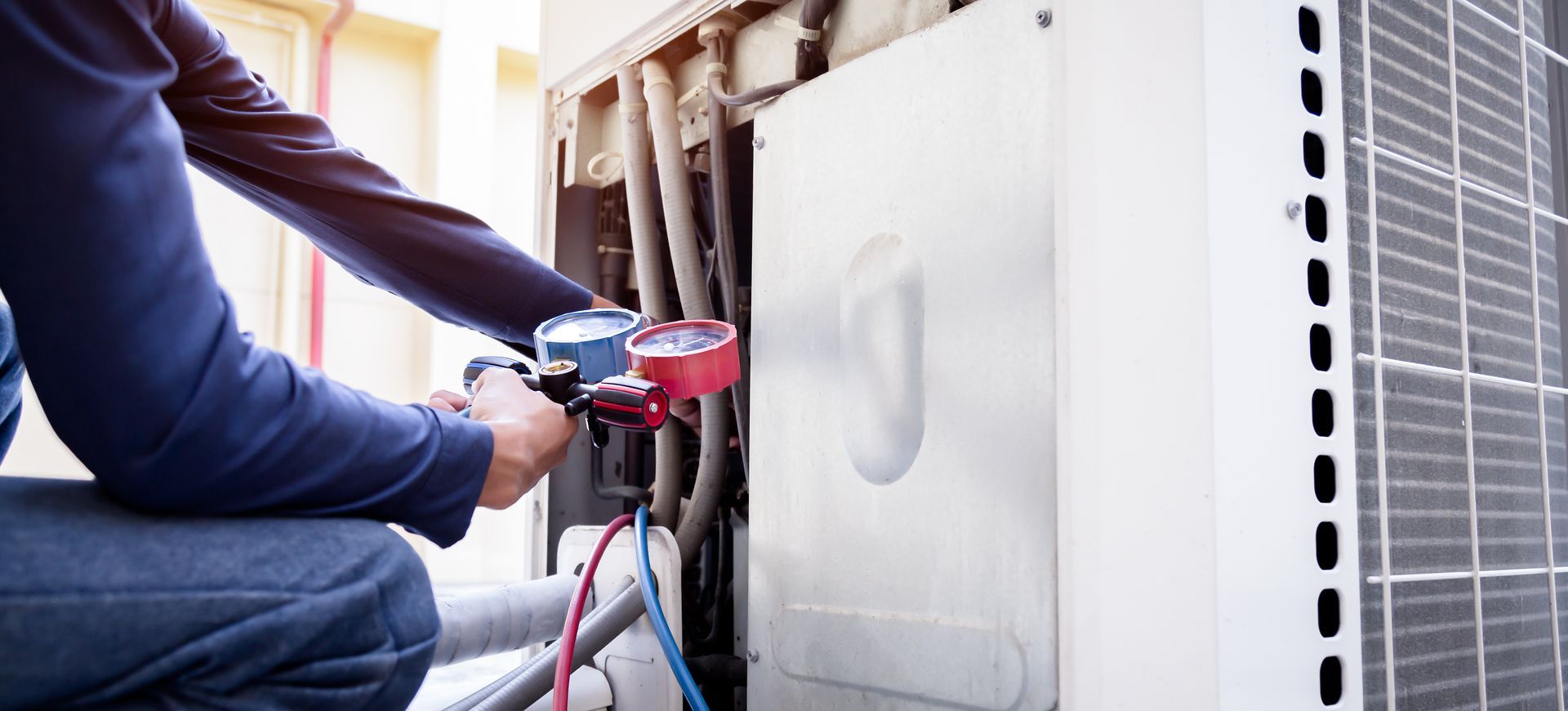
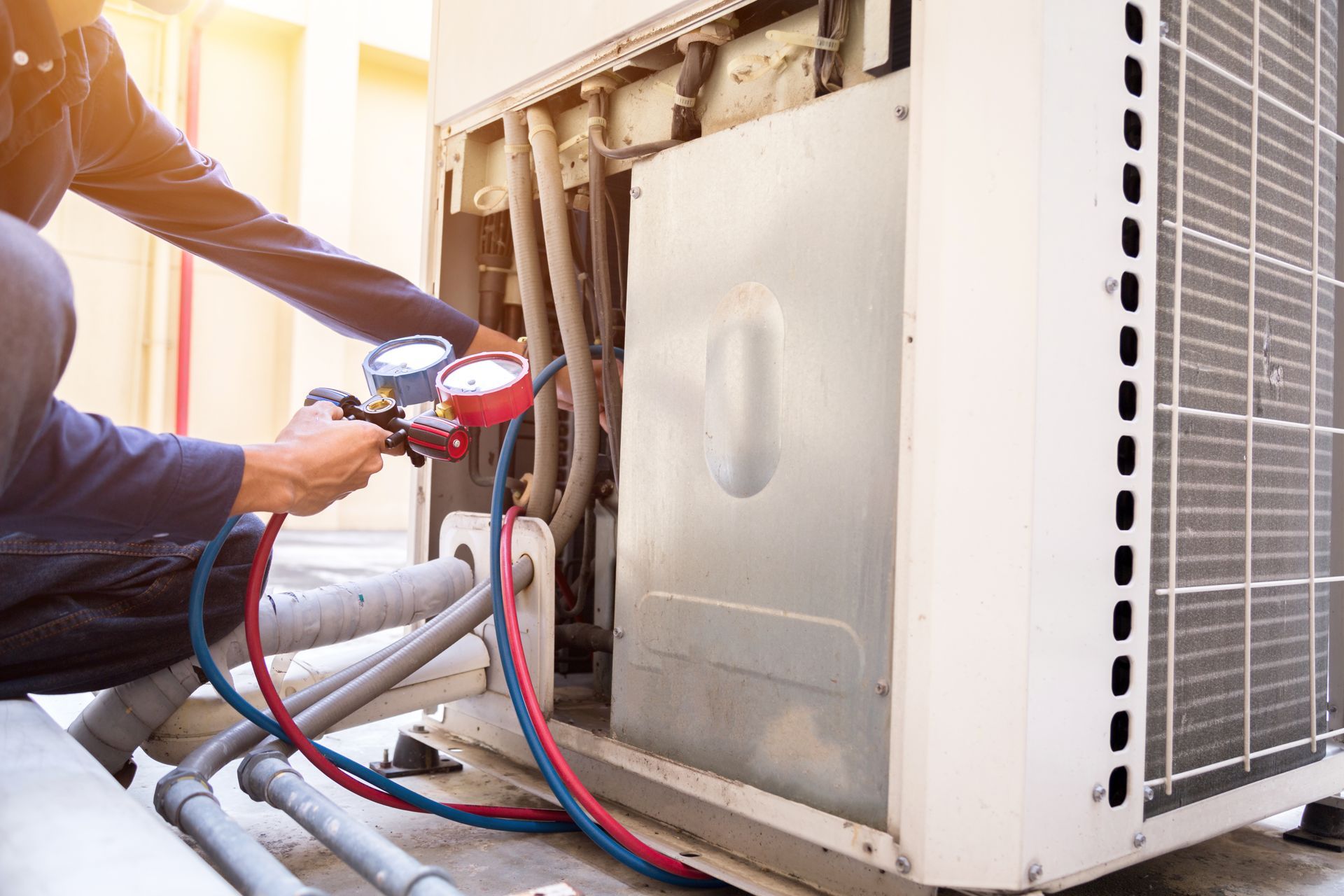
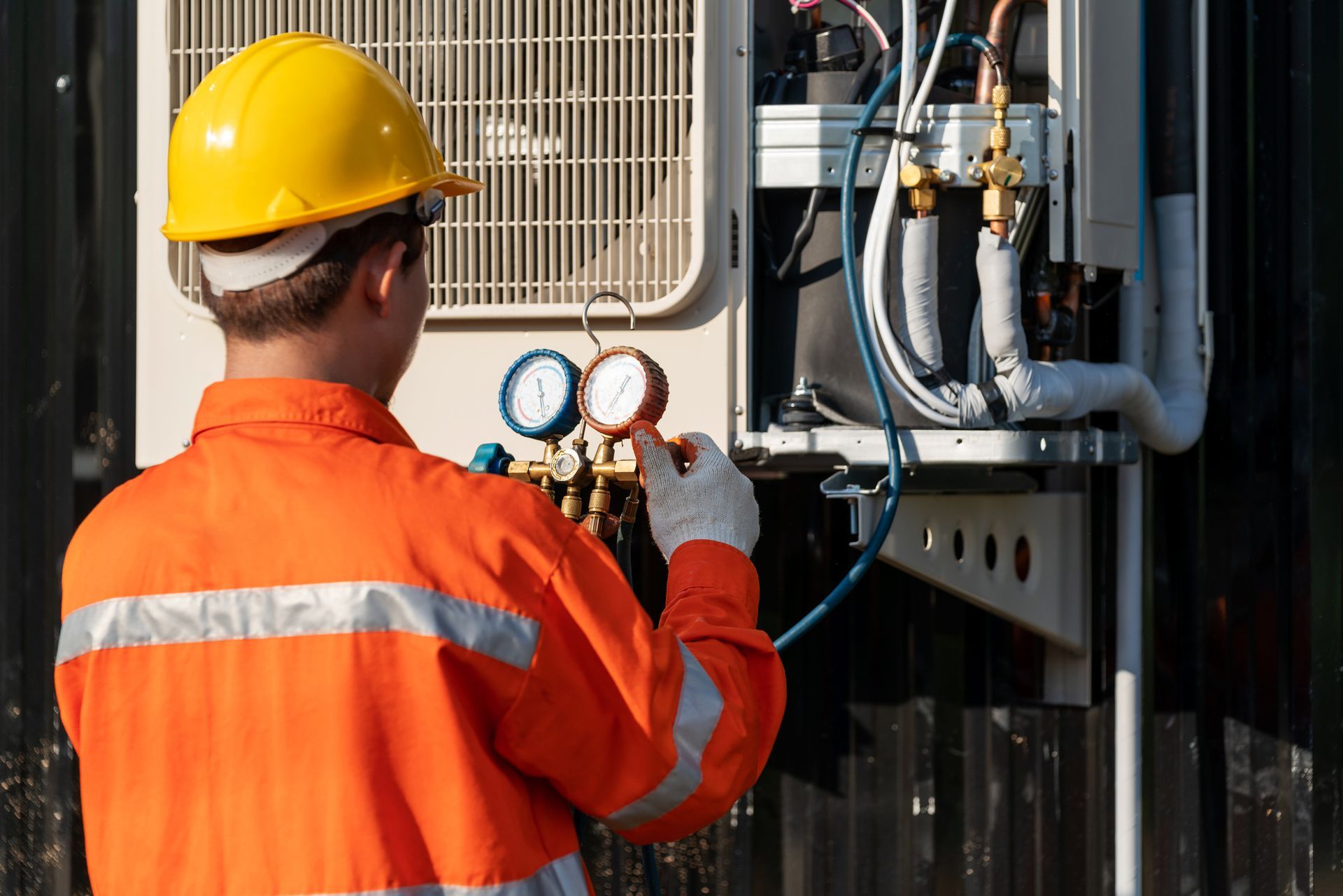
During each visit, a technician can clean coils, flush the drain line, check refrigerant levels, test capacitors, and inspect electrical connections. Catching a failing capacitor early can prevent a compressor failure that costs significantly more to address. Those who skip seasonal visits are far more likely to need unplanned HVAC system repair during peak summer heat, when technicians are busiest.
Signs Florida's Climate May Have Accelerated Wear on Your System
A few signs suggest your system is under more strain than normal:
- Warm air blowing from vents even when the thermostat is set low.
- Unusual sounds like grinding, clicking, or banging during operation.
- Higher-than-normal energy bills without a clear change in usage.
- Visible ice forming on refrigerant lines or the indoor coil.
- Musty or moldy odors from vents, indicating coil or drain issues.
- Frequent short-cycling, where the system turns on and off in rapid succession.
If you notice any of these warning signs, reaching out for HVAC system repair promptly can prevent a manageable repair from becoming a full system replacement. You can schedule a service appointment to have a technician assess the situation quickly.
Repair or Replace? What Apopka Residents Should Know
If a system is more than 10 to 12 years old and needs HVAC system repair costing more than half the price of a new unit, replacement may be the more economical path. In Apopka's climate, where systems accumulate runtime faster, a 10-year-old unit can feel more like 15 compared to one in a northern state.
Newer systems are also significantly more energy-efficient, lowering monthly utility costs and offsetting the upfront investment over time. For a closer look at what professional repair service covers, visit the AC repair services page.
Protect Your Comfort Before the Florida Heat Peaks
Staying ahead of maintenance and catching climate-related wear early makes an emergency breakdown on the hottest day of the year far less likely. The subtropical conditions here are simply harder on cooling equipment than those in most of the country, calling for a more proactive maintenance schedule than national averages suggest.
When it's time for service, a repair assessment, or advice on whether your aging system has more life in it, Certified AC Services is ready to help. Their team serves the Apopka area and brings the local climate knowledge that matters when your home's comfort is on the line. Call (689) 205-9140 or contact our team to get started.