
Common HVAC Repair Warning Signs Every Apopka, FL, Homeowner Should Know
Living in Apopka, FL, means dealing with heat and humidity that push your HVAC system to its limits nearly every month of the year. HVAC repair is one of the most common needs for homeowners across Orange County, and knowing the warning signs early can save you from a full system breakdown on the hottest day of the summer. This article covers six of the most telling failure symptoms Central Florida homeowners encounter and explains what typically causes each one and what a technician will do to fix it.
Why Florida's Climate Makes HVAC Problems Worse
Florida's climate puts more stress on HVAC equipment than almost anywhere else in the country. Apopka sits in Central Florida's humid subtropical zone, where summer temperatures routinely reach the mid-90s and humidity stays persistently high for months on end. That sustained demand accelerates wear on components that might last years longer in a milder climate.
When your system runs nearly non-stop from April through October, small problems become big ones fast. Catching symptoms early is the most reliable way to keep repair bills manageable and avoid emergency calls during peak season.
What Are the Most Common HVAC Failure Symptoms in Apopka?
Apopka homeowners tend to see the same six problems repeat across neighborhoods like Errol Estates, Rock Springs Ridge, and Wekiva. Here is what each symptom usually means and what a technician may do about it.
Warm Air Blowing From the Vents
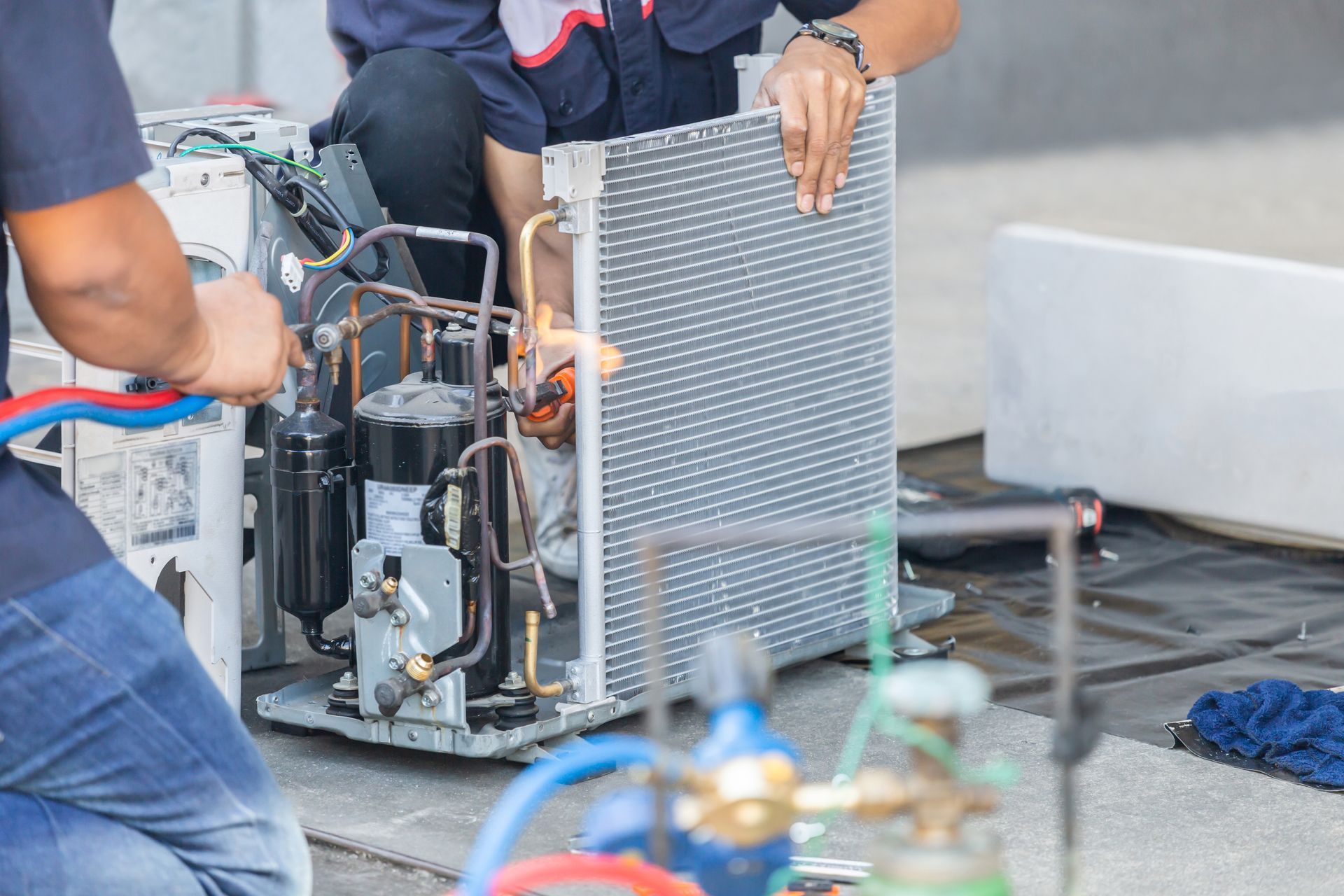
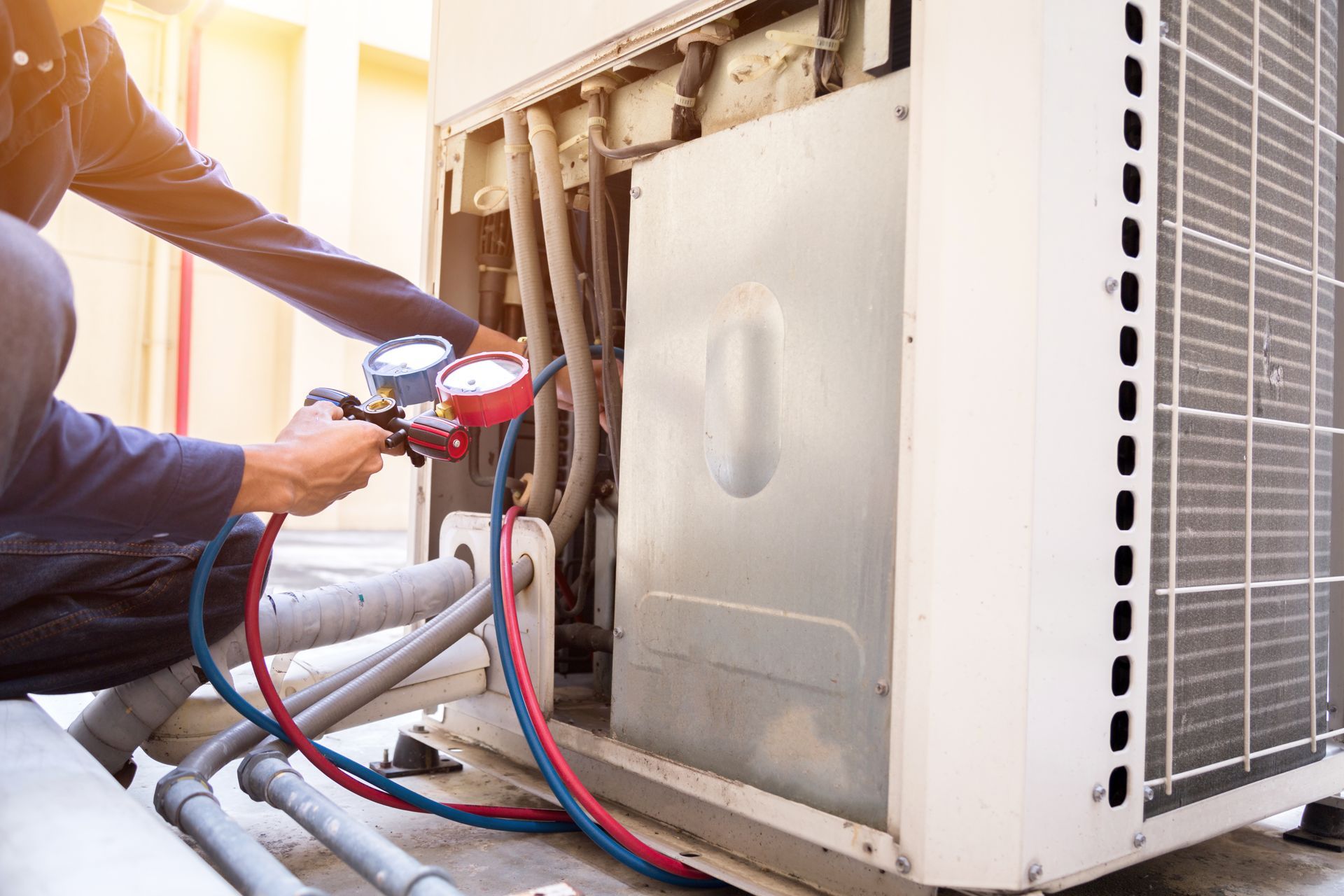
Warm air coming from the vents is one of the clearest signs something is wrong. The two most common causes are low refrigerant and a failing compressor. In Florida's heat, refrigerant leaks are especially problematic because the system never gets a break long enough to mask the performance drop.
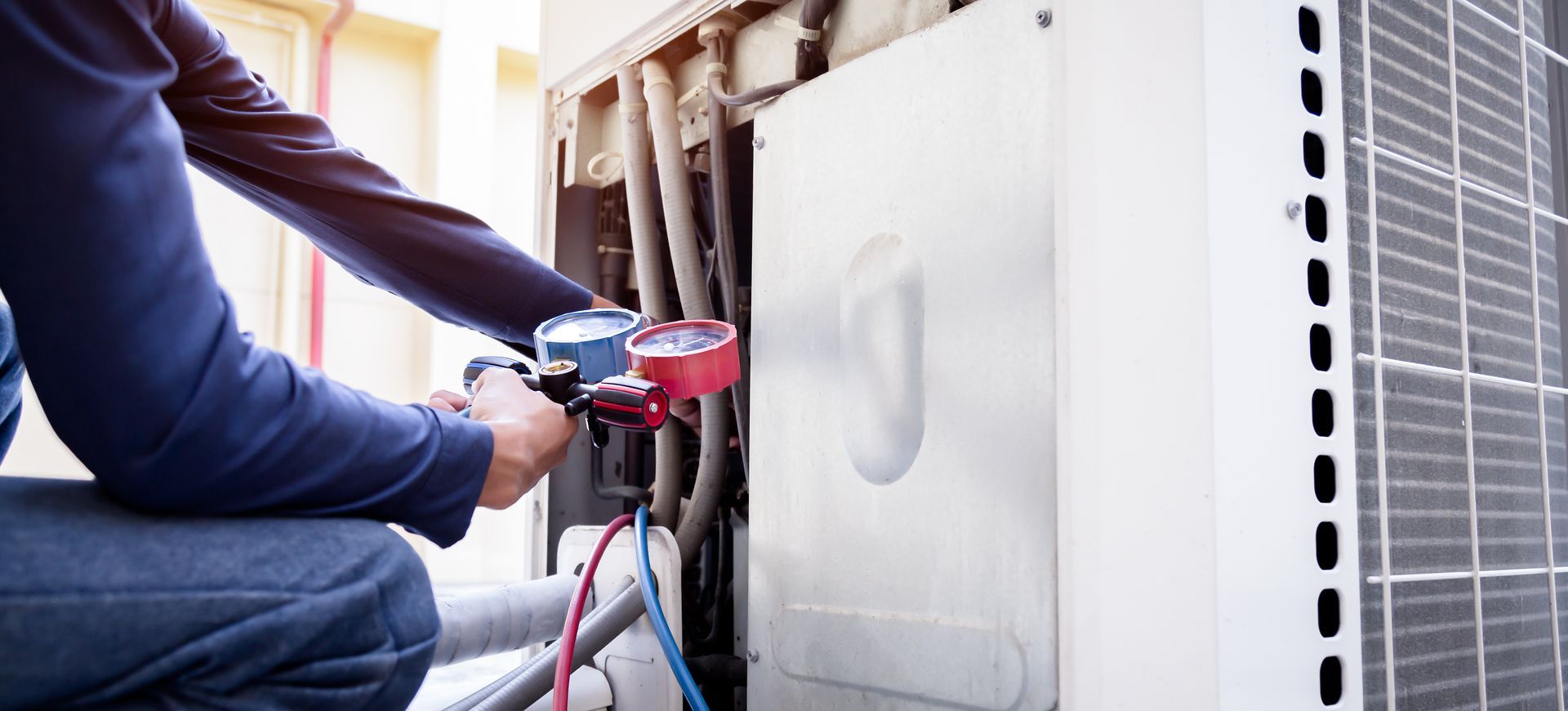
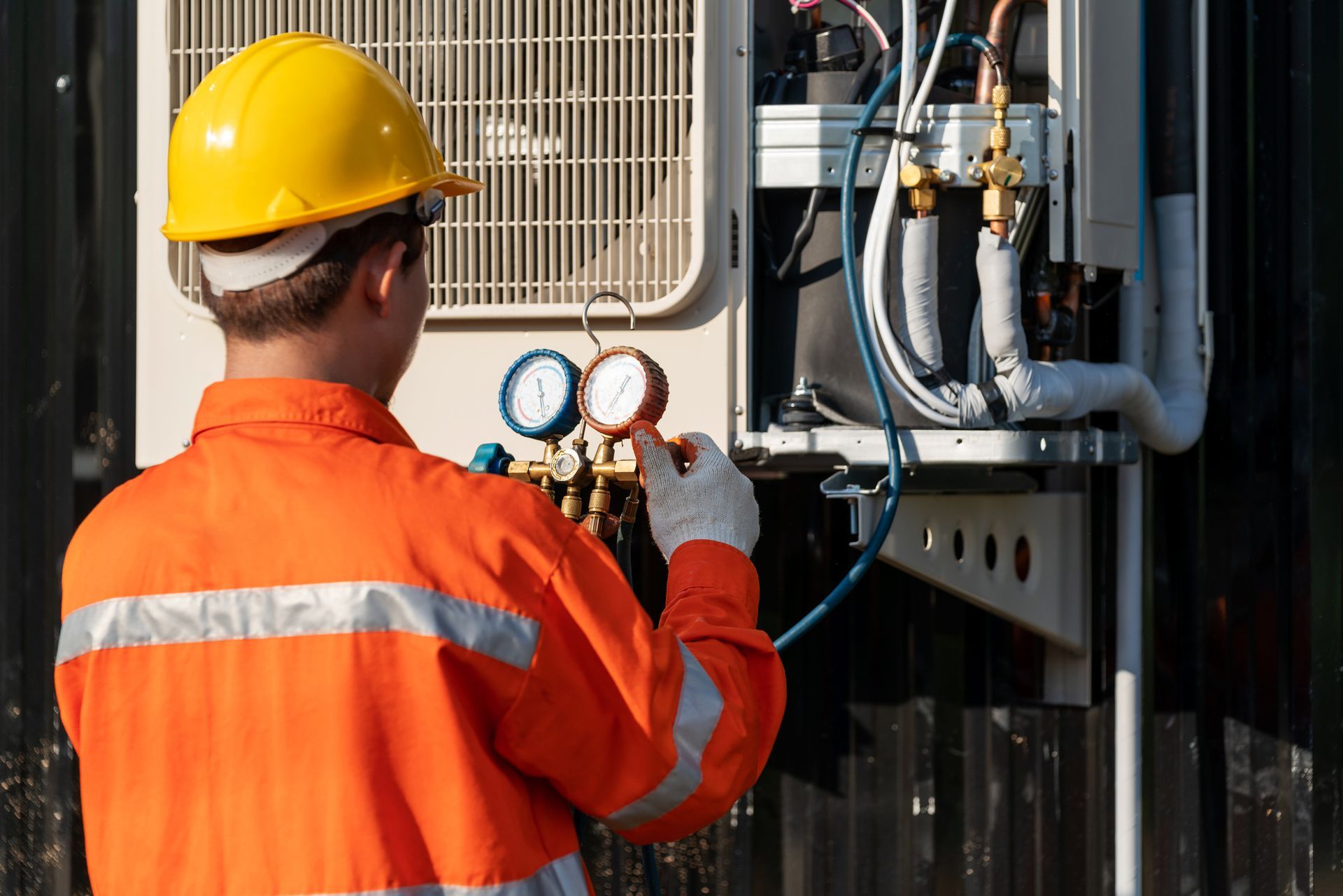
A technician will check the refrigerant charge, locate and seal any leaks, and test the compressor output. Simply adding refrigerant without finding the leak is only a temporary fix.
Weak or Uneven Airflow Throughout the Home
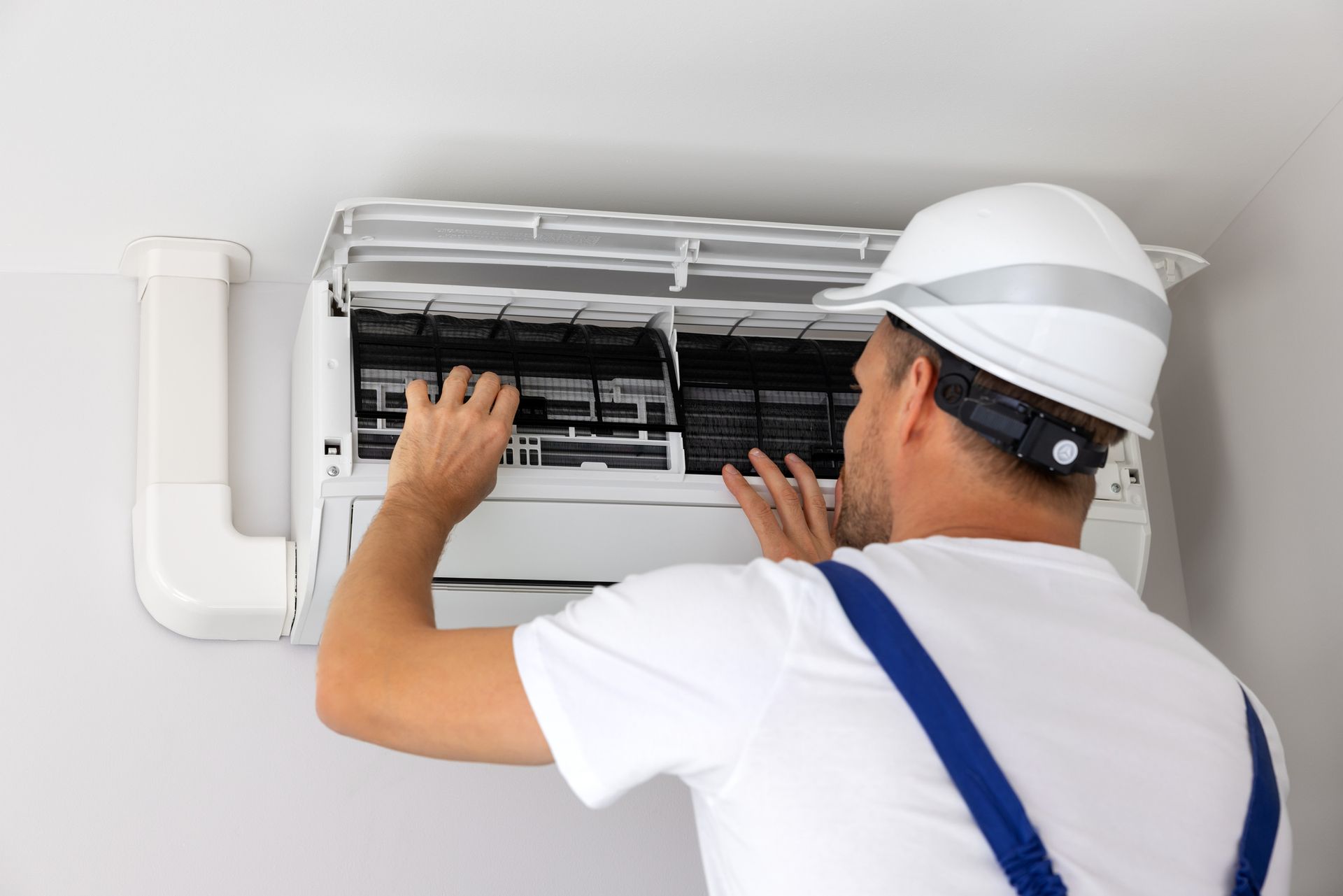
Weak airflow often points to a dirty or clogged air filter, a failing blower motor, or duct issues. In Apopka's high-humidity environment, mold and debris can build up inside ductwork faster than homeowners expect, partially blocking air passages.
A technician may inspect the blower assembly, test motor amperage, and evaluate duct condition. Homes in older Apopka neighborhoods sometimes have ducts that have developed leaks at the seams over time, which can quietly rob a system of efficiency for years.
Ice or Frost on the Indoor Unit or Refrigerant Lines
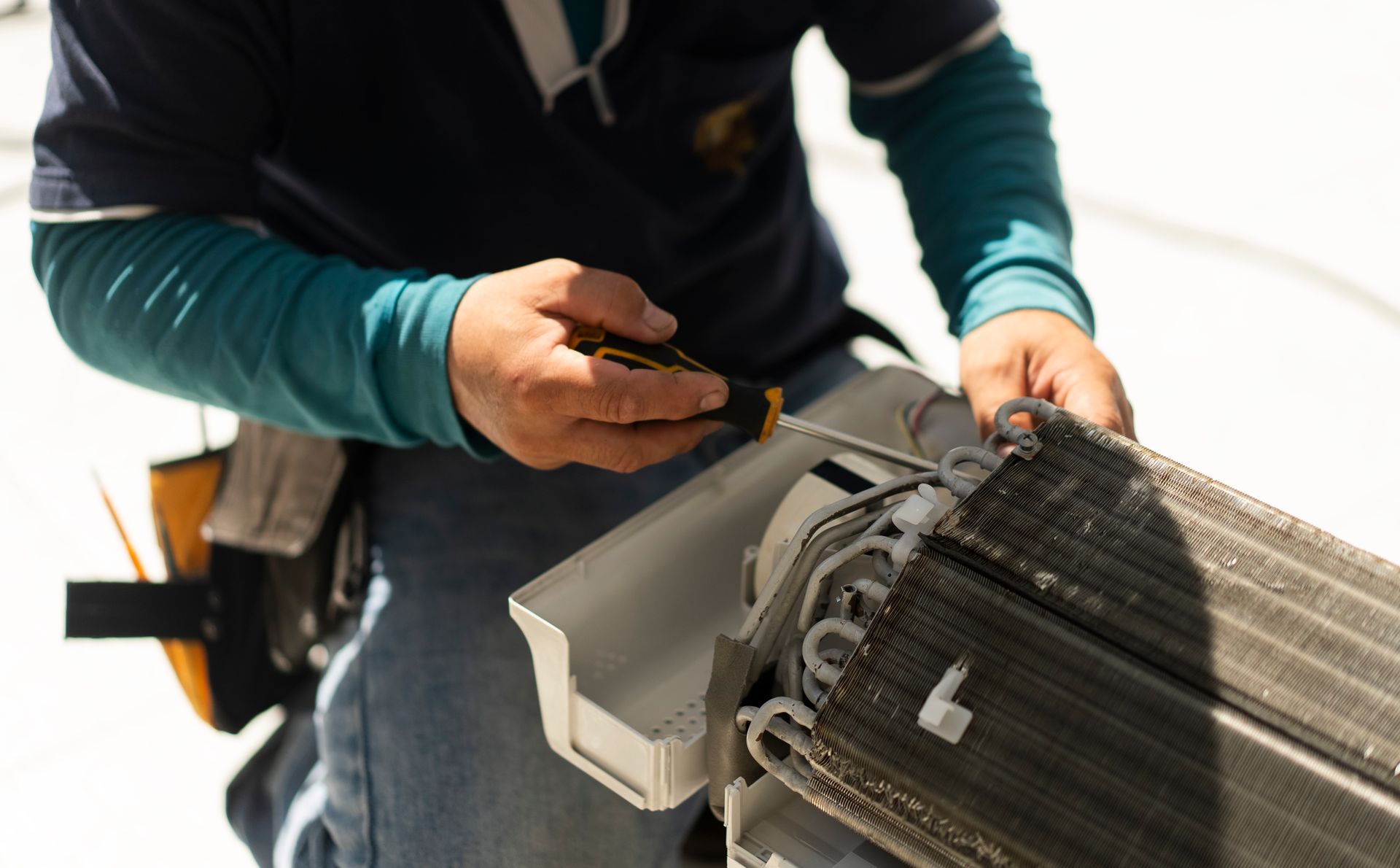
Frozen coils look alarming, but the cause is usually straightforward. Restricted airflow from a dirty filter or a blocked return vent keeps warm air from reaching the evaporator coil. Without enough heat to absorb, the refrigerant gets too cold and freezes the moisture it collects.
Turn the system off and run only the fan to let it thaw, then replace the filter before restarting. If freezing returns, a technician should check refrigerant levels and inspect the coil for dirt buildup that a standard filter change will not fix.
Short Cycling -- When the System Turns On and Off Too Frequently
Short cycling means your system starts, runs for a minute or two, shuts off, and repeats. This is hard on the compressor and significantly increases energy use. An oversized system is one common culprit. In Apopka and the surrounding area, improperly sized equipment is more common than most homeowners realize, especially in older homes that have had additions built over the years.
Other causes include a refrigerant charge that is too high, a failing thermostat, or a tripped high-pressure limit switch. A technician can run a diagnostic cycle, check pressures, and confirm whether the unit is correctly sized for your home's current load.
Refrigerant Leaks and What They Mean for Indoor Comfort
A refrigerant leak does more than reduce cooling power. In Florida's climate, it also undermines your system's ability to pull moisture from the air. When humidity control fails, a home may feel clammy even when the thermostat reads a comfortable temperature.
Common leak points include the evaporator coil, copper line connections, and the service valves. HVAC repair for refrigerant issues must include finding and sealing the source, not just recharging the system. Repeated recharges without repair can indicate a slow leak that is costing you money every month.
Unusual Noises During Operation
Banging, rattling, squealing, or grinding sounds each suggest different problems. A banging noise may point to a loose component inside the air handler. Squealing often signals a worn blower belt or failing motor bearings. Grinding suggests metal-on-metal contact, which means the system needs to be shut down and inspected quickly.
Ignoring unusual sounds in Apopka's long cooling season is risky. A minor motor bearing issue left unaddressed can turn into a full motor replacement if the system runs through several more weeks of heavy use.
When Should You Call a Technician for HVAC Repair in Apopka, FL?
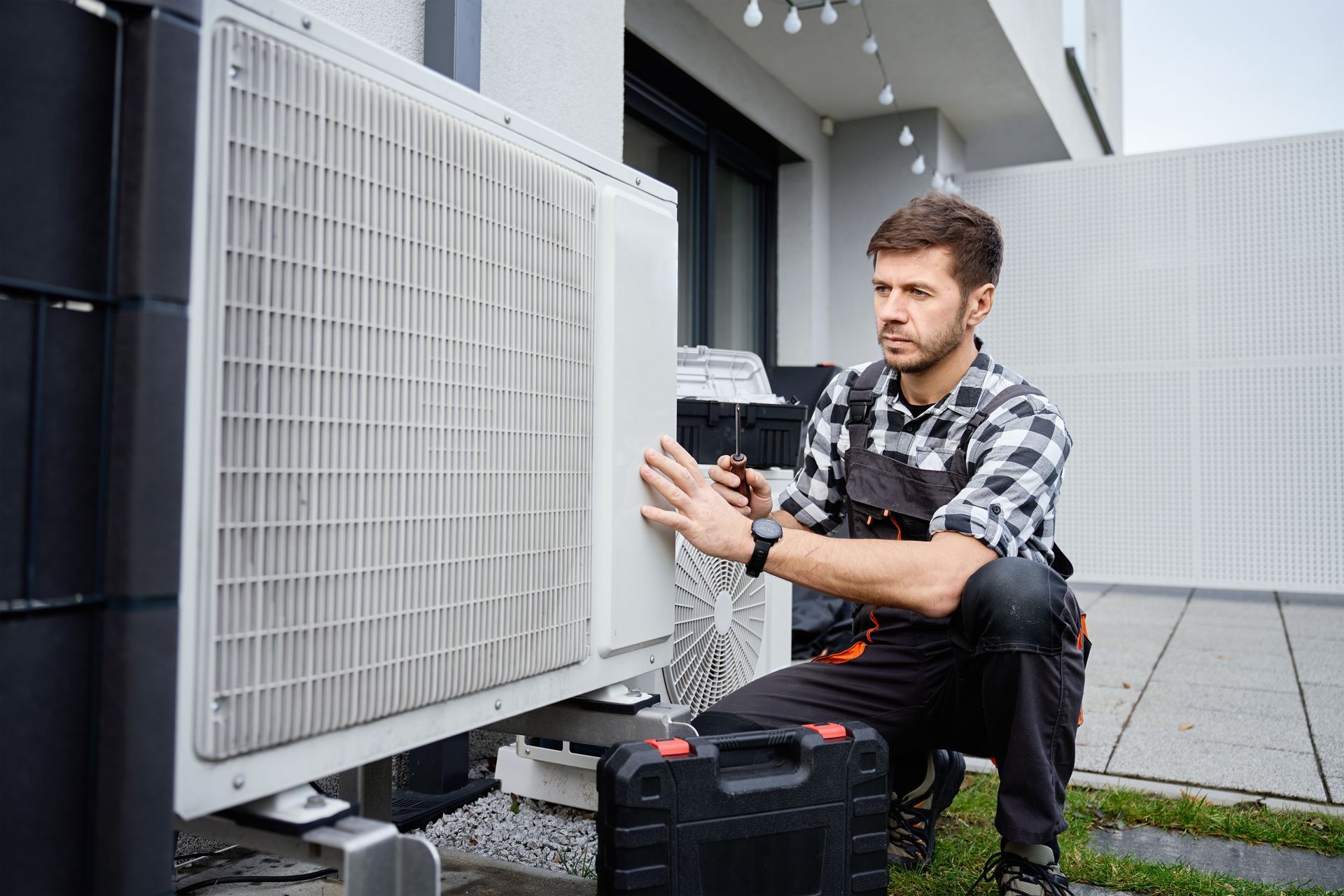
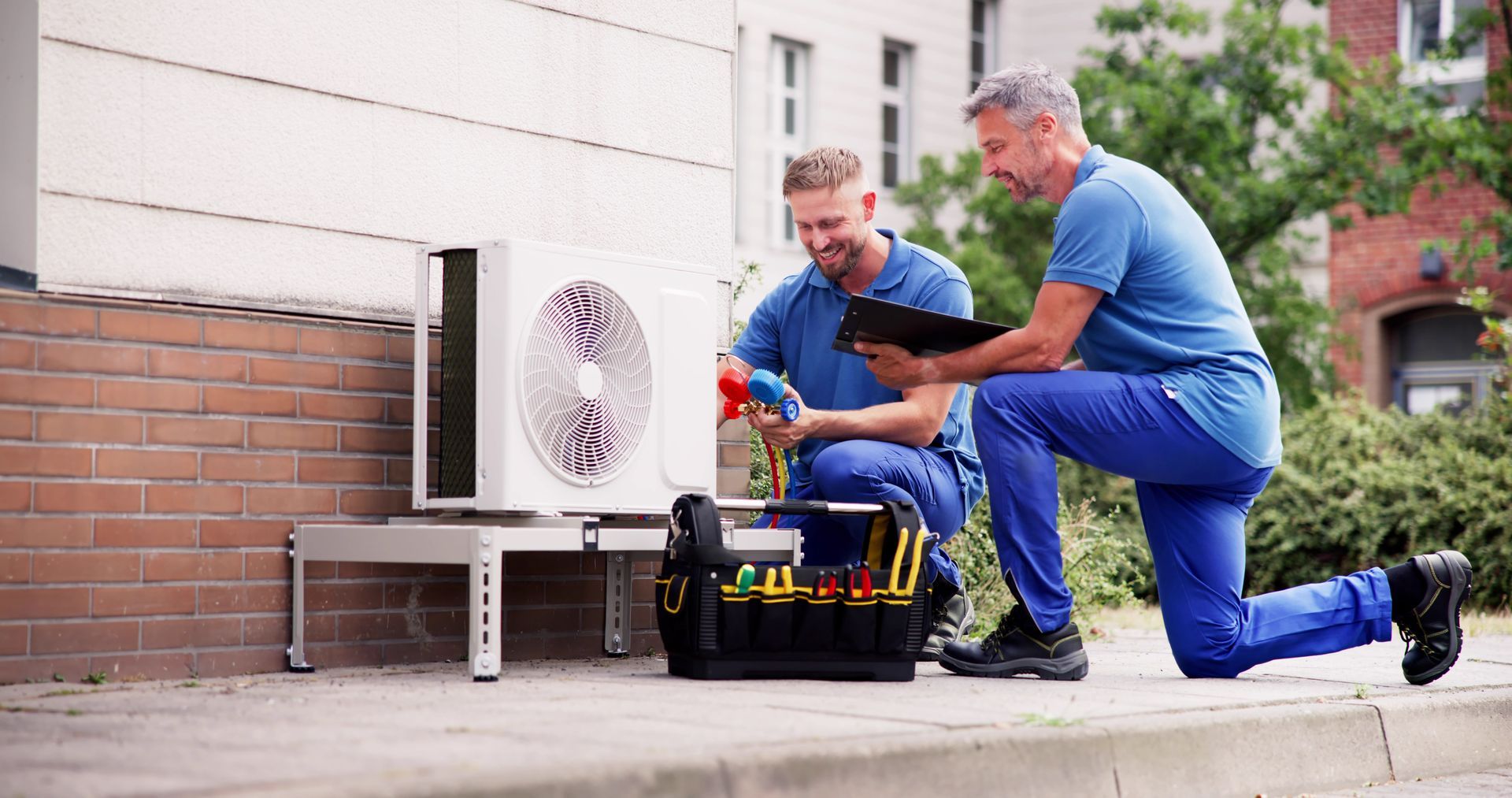
Knowing when to call is simple: if the issue is beyond a filter change or thermostat reset, a licensed technician should evaluate it. HVAC repair in Apopka, FL, is not a task that typically improves by waiting. Florida's heat means a struggling system will deteriorate faster under load than it might in a cooler climate.
If your system shows any of the symptoms above, check your filter and thermostat first. If those look fine, schedule a service call before the problem escalates.
Ready to Schedule Your HVAC Repair? Contact Us Today.
If your system is showing any of these warning signs, a prompt diagnosis can prevent a minor repair from becoming a major expense. Certified AC Services has served Apopka and the greater Orlando area for over 30 years with licensed technicians, flat-rate pricing, and 24/7 emergency availability.
Reach out through our AC repair service page or contact us to request a free quote. Call (689) 205-9140 to speak with a technician today.
![Outdoor AC condenser units stacked on a rack under hot sun, where HVAC system repair often begins]](https://irp.cdn-website.com/7a6f02ac/dms3rep/multi/opt/AdobeStock_631123363-1920w.jpeg)